How to Identify When You Need Siding Replacement: A Local Guide


Understanding the Importance of Siding
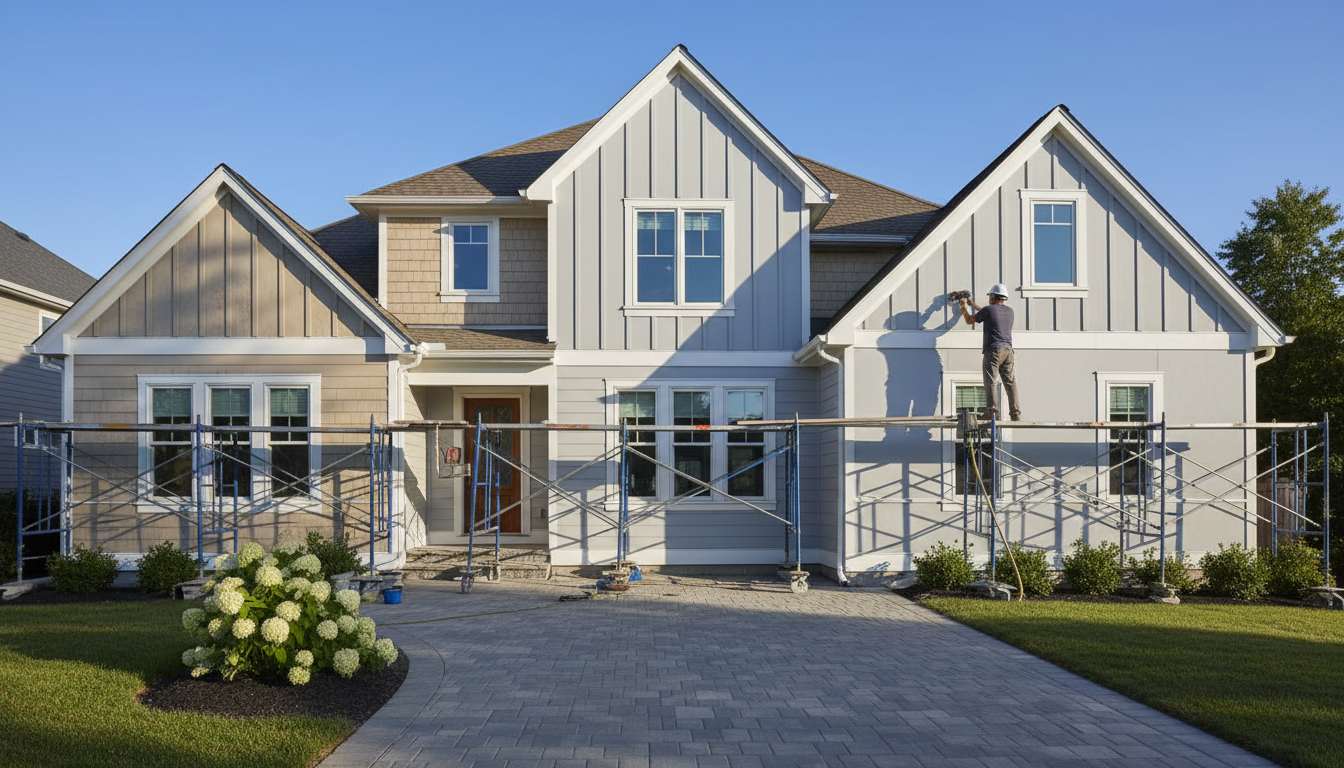
Your home's siding not only enhances its curb appeal but also serves as a vital protective layer against the elements. Over time, however, siding can wear down, leading to potential damage to your home. Knowing when to replace it is crucial for maintaining your home's integrity and value.
Signs Your Siding Needs Replacement
Visible Damage
One of the most obvious indicators that you need new siding is visible damage. Look for cracks, warping, or rotting. These issues can allow moisture to seep in, leading to mold and structural damage. Addressing these early can save significant repair costs.
Increased Energy Bills
If you've noticed a sudden spike in your energy bills, your siding might be to blame. Damaged siding can compromise your home's insulation, causing your heating and cooling systems to work harder. Replacing your siding can restore energy efficiency.

Performing a Thorough Inspection
Check for Moisture and Mold
Inspect your siding for signs of moisture or mold. Discoloration and water stains are common indicators that water has penetrated your siding. Moisture issues should be addressed immediately to prevent further damage.
Assess Interior Walls
Sometimes, siding issues manifest inside your home. Peeling paint or wallpaper, particularly on the walls adjacent to exterior walls, can indicate siding problems. If you notice these signs, it may be time for a replacement.
When to Call a Professional
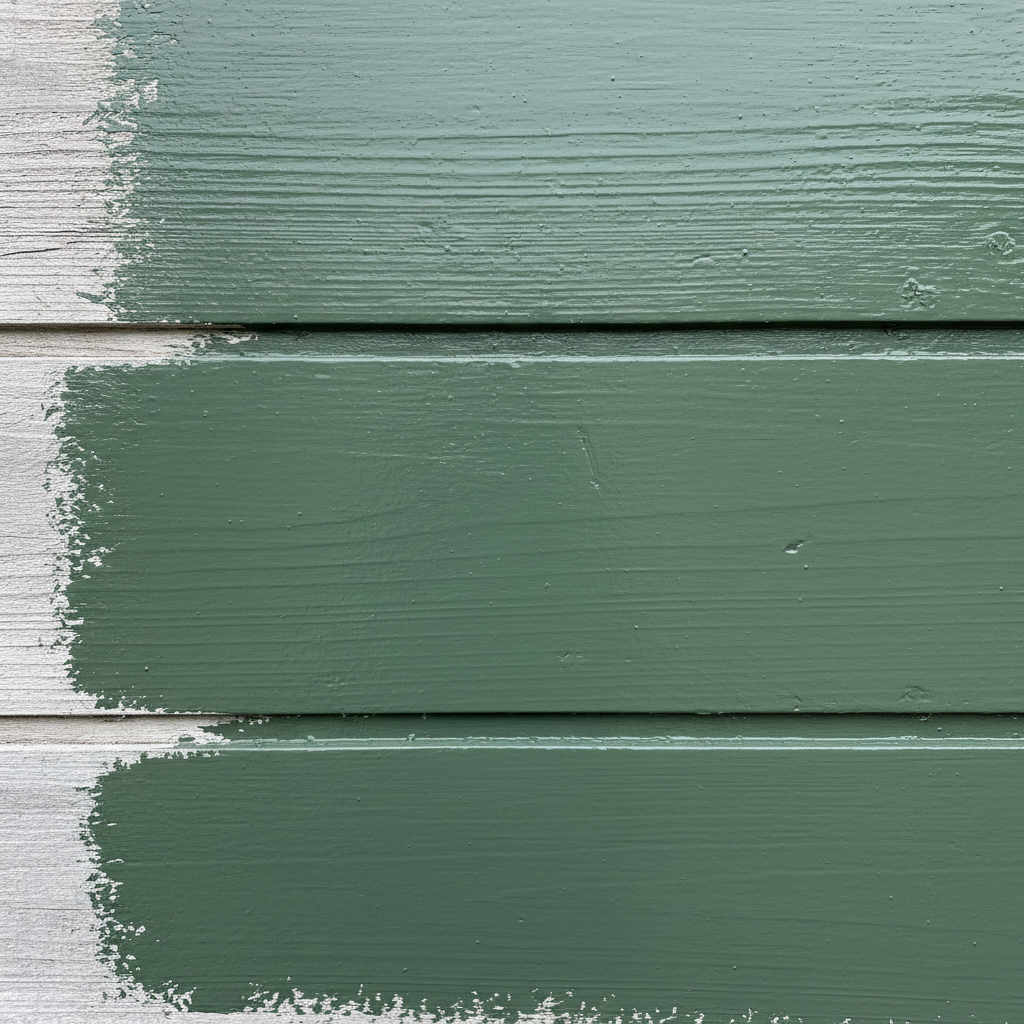
While some siding issues can be addressed with minor repairs, extensive damage often requires professional attention. A siding expert can provide a thorough assessment and recommend the best course of action. Don't hesitate to seek professional advice if you're unsure about the condition of your siding.
Choosing New Siding
When replacing your siding, consider materials that offer durability and aesthetic appeal. Options like vinyl, fiber cement, and wood each have their benefits. Consult with a professional to choose the best material for your climate and home style.
Maintaining Your New Siding
Once your new siding is installed, regular maintenance is key to prolonging its lifespan. This includes periodic cleaning, inspections, and timely repairs. By keeping your siding in top condition, you protect your home and maintain its value.
In conclusion, identifying the need for siding replacement involves paying attention to various signs and performing regular inspections. By taking proactive steps, you can ensure your home remains beautiful and protected for years to come.