DIY Roof Inspection: What Homeowners in Arlington Need to Know


Maintaining your roof is crucial, especially in Arlington, where weather conditions can be unpredictable. Regular roof inspections can help you spot potential issues early, saving you time and money in the long run. Here’s a guide to performing a DIY roof inspection safely and effectively.
Why Inspect Your Roof?
Your roof is your home's first line of defense against the elements. Over time, exposure to sun, wind, and rain can cause wear and tear. Regular inspections help identify problems such as leaks, missing shingles, or structural damage, which can prevent costly repairs.
When to Inspect Your Roof
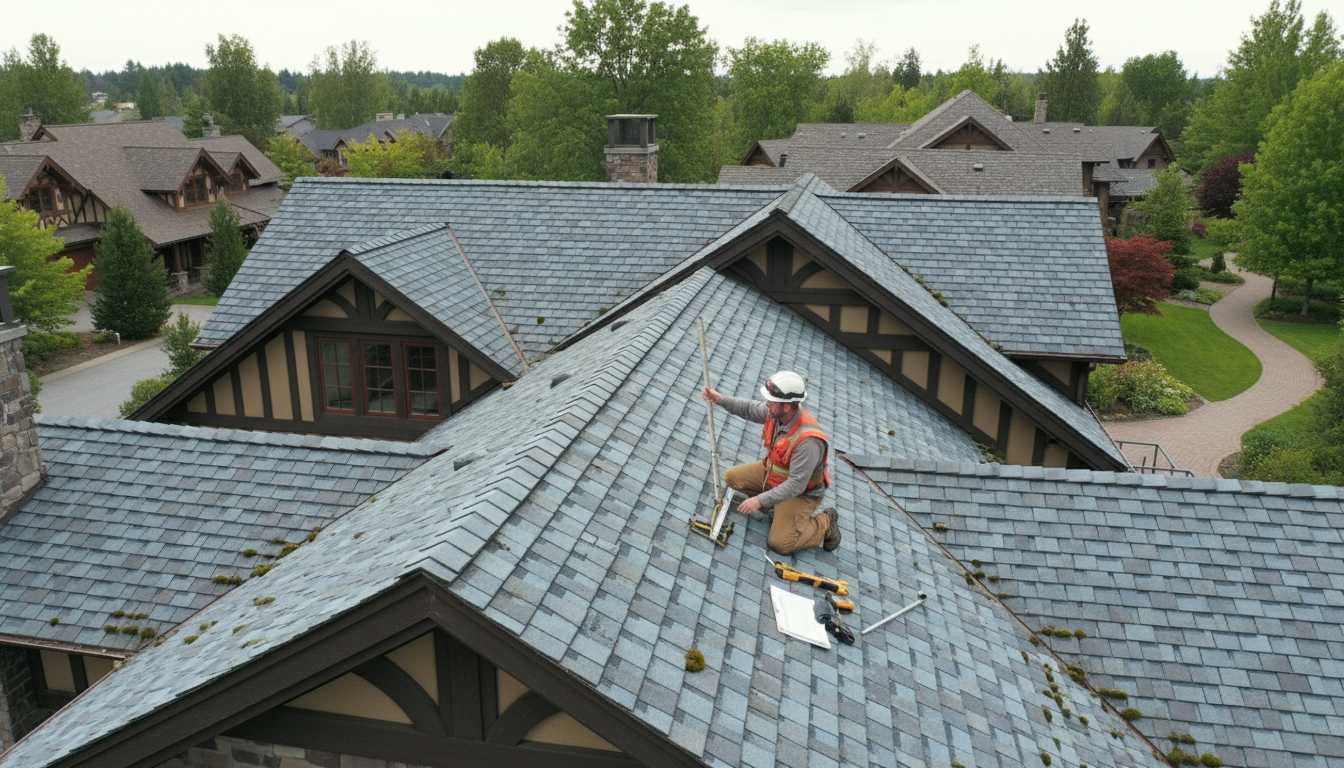
Ideally, you should inspect your roof at least twice a year, in the spring and fall. These seasons offer mild weather conditions, making it safer to climb onto your roof. Additionally, inspect your roof after any major storms, as high winds and hail can cause significant damage.
Tools You'll Need
Before you start, gather the necessary tools. You'll need a sturdy ladder, binoculars, a flashlight, a notebook for notes, and a camera or smartphone to take pictures of any issues you find. Safety gear, such as gloves and non-slip shoes, is also essential.
Steps for a DIY Roof Inspection
- Check from the Ground: Use binoculars to scan the roof for missing shingles, sagging, or debris.
- Inspect the Gutters: Look for granules, which could indicate shingle wear. Ensure gutters are clear of debris.
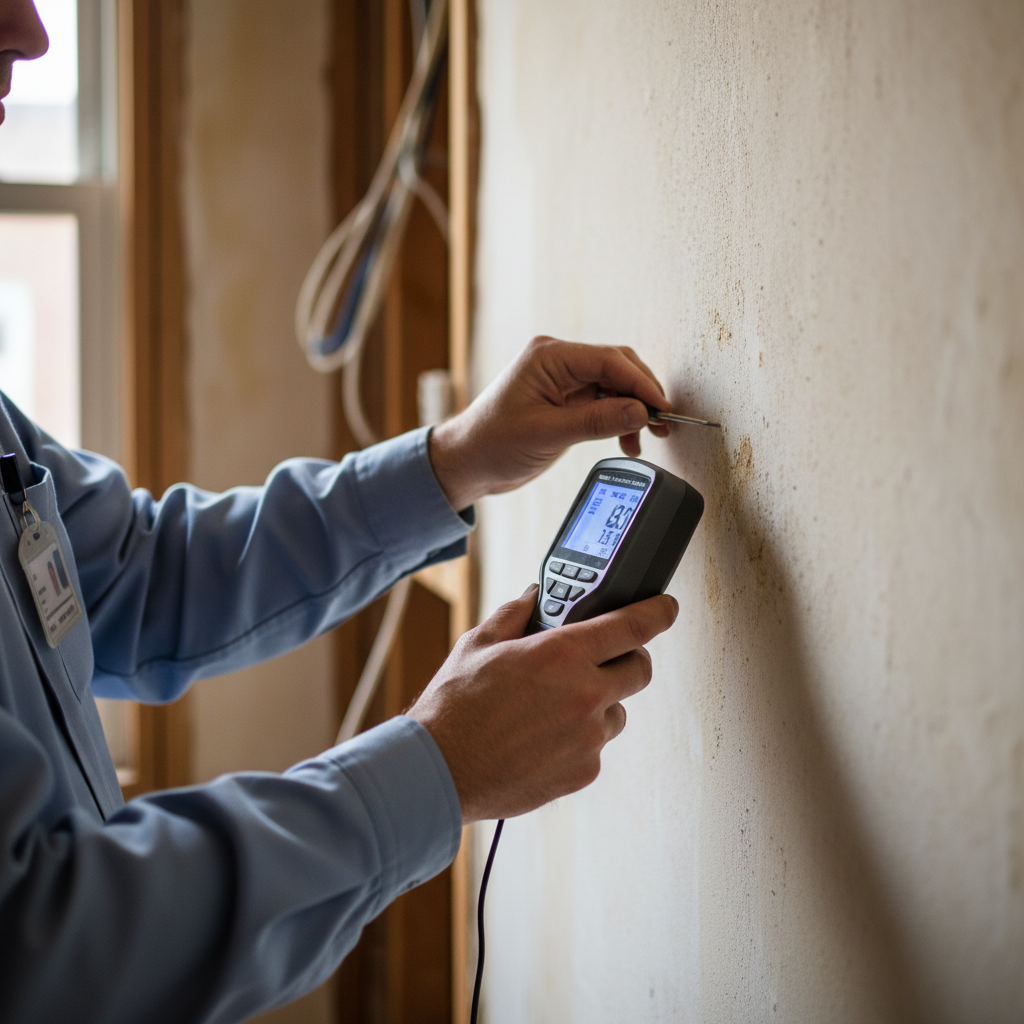
- Examine the Attic: Inside, check for signs of water leaks or stains on the attic ceiling.
- Climb with Caution: If safe, climb onto the roof to inspect shingles, flashing, and seals around chimneys and vents.
Common Issues to Look For
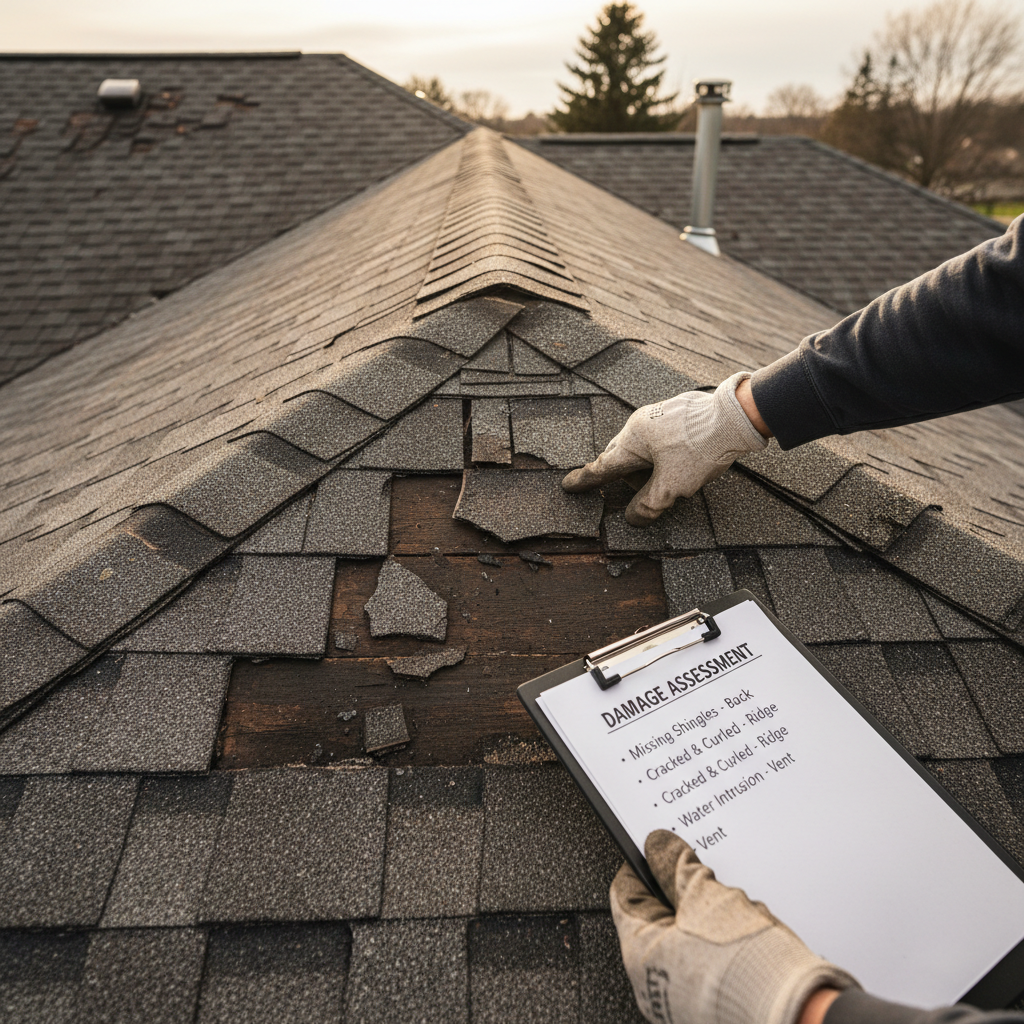
During your inspection, keep an eye out for cracked or curled shingles, rusted flashing, and moss or algae growth. These could indicate potential issues that need addressing. Pay special attention to any areas that seem to collect water, as this can lead to leaks.
When to Call a Professional
While DIY inspections are useful, some situations require professional expertise. If you find extensive damage, structural issues, or are unsure about what you see, contact a roofing professional. They have the tools and experience to handle complex problems safely.
Maintaining Your Roof
Regular maintenance can extend your roof's lifespan. Clear debris, trim overhanging branches, and address minor repairs promptly. Consistent care ensures your roof stays in good condition, providing peace of mind and protection for your home.
By following these guidelines, Arlington homeowners can effectively monitor their roofs, ensuring they remain in top condition year-round.